Exactly How Heat Recovery Ventilation Enhances Indoor Air High Quality and Reduces Energy Costs
Heat Recovery Ventilation (HRV) systems play an important role in boosting interior air top quality while all at once reducing energy expenditures. By effectively trading stagnant interior air with fresh exterior air, HRVs aid maintain suitable humidity and reduce contaminants. In addition, their capacity to recuperate heat from outward bound air minimizes the stress on heating and cooling systems. As power costs continue to climb, understanding the full potential of HRV systems ends up being increasingly vital for home owners and businesses alike.
Comprehending Heat Recovery Ventilation Systems

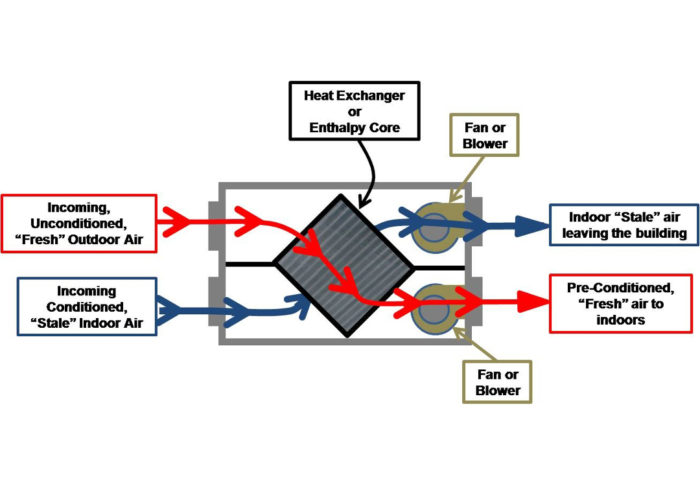
Heat recovery ventilation (HRV) systems play a vital duty in enhancing interior air quality, specifically in contemporary, energy-efficient buildings. These systems are made to transfer warmth from the outbound stagnant air to the incoming fresh air, thus lessening energy loss while preserving suitable temperature level degrees inside your home. HRVs include a heat exchanger, fans, and ductwork, facilitating the constant flow of air. By expelling interior toxins and introducing fresh air, HRVs aid to balance humidity degrees, stop mold and mildew development, and minimize irritants. The effectiveness of HRV systems copyrights on their capacity to recuperate as much as 80% of the warmth from the worn down air, promoting energy conservation while making certain a healthy indoor atmosphere. Their combination is crucial in achieving sustainable living techniques.
The Relevance of Indoor Air High Quality
Indoor air quality (IAQ) is an important aspect influencing the health and health of occupants in any kind of environment. Poor IAQ can result in various health and wellness issues, consisting of respiratory system troubles, allergies, and tiredness. In addition, it can worsen status quo such as bronchial asthma. Aspects adding to low IAQ include toxins from indoor sources like cleansing representatives, mold, and poor ventilation. Subsequently, preserving great IAQ is crucial for advertising a risk-free and comfortable living or working room. Effective strategies to enhance IAQ entail routine tracking of air top quality, proper air flow systems, and reducing using harmful materials inside. By prioritizing IAQ, individuals can ensure a healthier setting that fosters performance and overall top quality of life.
Energy Efficiency Perks of HRV Equipments
Many property owners and building managers are progressively identifying the power efficiency benefits of warm healing air flow (HRV) systems. By moving warmth from worn down interior air to incoming fresh air, HRV systems substantially reduce the energy needed for heating & cooling. This process reduces reliance on conventional a/c systems, bring about reduced power expenses. Furthermore, HRVs assist preserve a balanced interior environment, important link protecting against too much home heating or cooling down needs. The capability to recuperate as much as 90% of the heat site from outgoing air also sustains sustainability initiatives by lowering overall energy usage. As a result, HRV systems add not just to cost savings but also to a decreased carbon impact, straightening with the expanding emphasis on energy-efficient building methods.
Installation and Upkeep Considerations
The efficient application of warm recovery air flow (HRV) systems needs careful factor to consider of setup and upkeep aspects to guarantee peak efficiency. Proper positioning of the HRV device is vital, as it should be installed in an area that optimizes air movement while minimizing sound disturbance. Furthermore, ductwork must be properly sized and insulated to avoid energy loss. Regular upkeep, consisting of filter substitute and system cleansing, is vital to safeguard optimum functionality and interior air quality. Owners must establish a normal maintenance routine to identify and resolve prospective concerns before they intensify. Cooperation with experienced experts throughout both installation and maintenance stages can boost the longevity and effectiveness of HRV systems, ultimately resulting in much better interior environments and minimized power prices.
Real-World Applications and Success Stories
Exploring real-world applications of heat recovery air flow (HRV) systems reveals their substantial influence on interior air top quality and energy effectiveness across numerous settings. In domestic structures, homeowners have reported enhanced air high quality, address leading to less allergic reactions and respiratory system concerns. Schools implementing HRV systems have noted improved trainee focus and decreased absence due to better ventilation. Business structures, such as workplaces and retail rooms, have actually experienced reduced energy expenses and enhanced worker productivity. A corporate workplace in a pleasant environment accomplished a 30% reduction in power costs after mounting an HRV system. These success tales demonstrate that HRV innovation not only adds to much healthier atmospheres but also gives concrete monetary benefits, making it a valuable financial investment for various markets.
Often Asked Questions
Can HRV Systems Lower Irritants in Indoor Air?
The efficiency of HRV systems in reducing interior allergens mainly rests on their capacity to filter and exchange air. HRV Heat Recovery Ventilation. By constantly changing stale air, these systems can significantly decrease allergen degrees throughout interior environments
How Does Moisture Affect HRV System Efficiency?
Humidity substantially affects HRV system performance; high levels can bring about condensation, decreasing performance, while low humidity may improve air exchange. Balancing humidity is necessary for perfect operation and preserving indoor air high quality.
Are HRV Solutions Noisy Throughout Procedure?
HRV systems can generate differing sound levels throughout operation, depending upon their design and installation. Some units operate quietly, while others might generate recognizable audio, specifically at greater air movement setups or when inadequately kept.
What Is the Ordinary Life-span of an HRV System?

Can HRV Solutions Be Used in All Environments?
HRV systems can be made use of in numerous climates, yet their performance might differ - HRV Heat Recovery Ventilation. In extreme temperature levels, changes or extra systems could be necessary to ensure suitable performance and convenience while keeping interior air top quality
Comments on “How to Select the Right HRV Unit for Your Living Space”